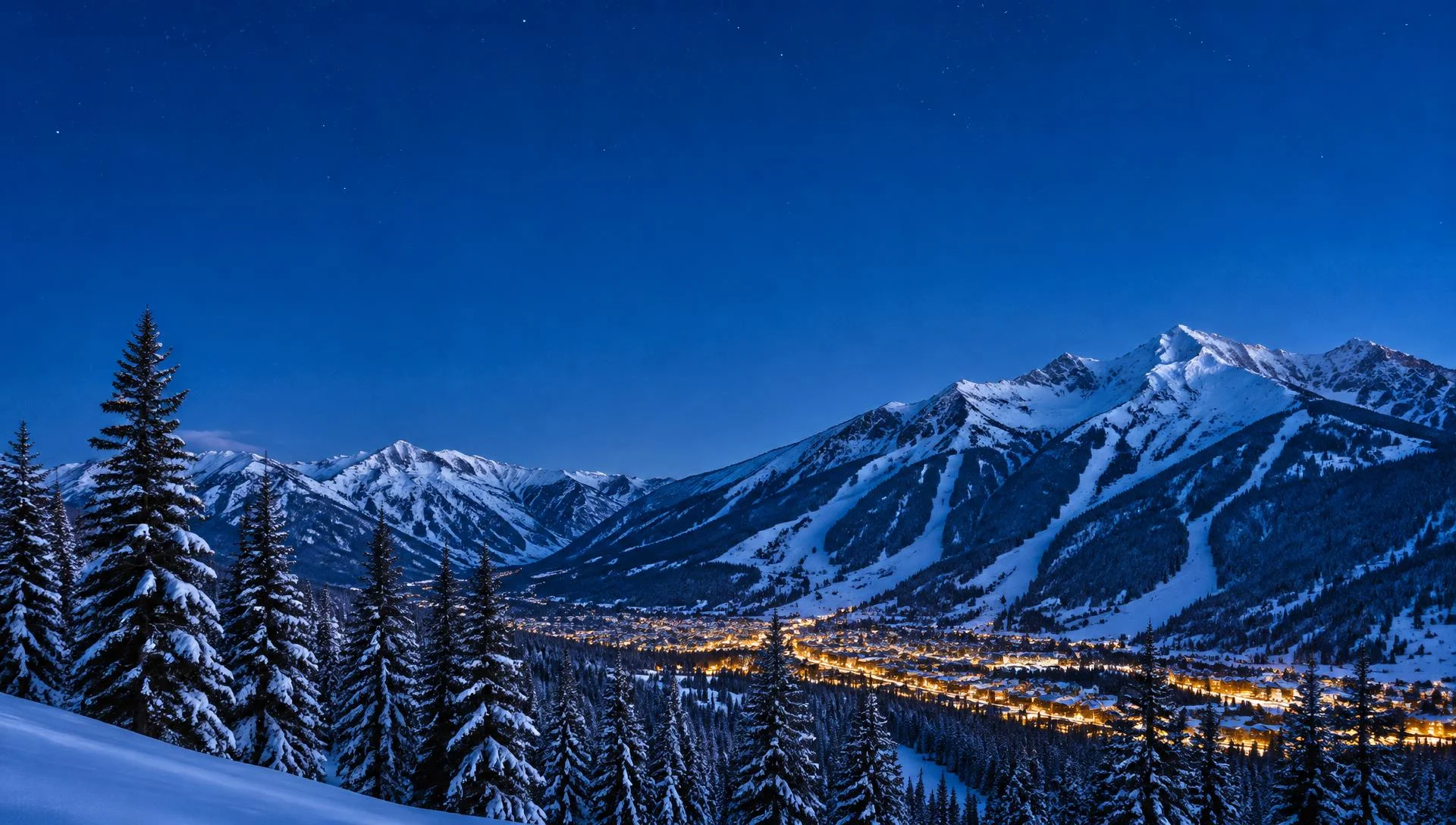
The drive, done for you
The trip from Denver to Aspen is one of the most beautiful drives in Colorado — and in winter, one of the most demanding. Snow, ice, tunnel traffic and mountain passes test even experienced drivers, and nobody wants to start a ski vacation stressed out. A chauffeured party bus or Sprinter lets your group relax from the moment you leave Denver.
Phat Limo is a Colorado company serving the entire state, so the long haul from the Front Range to the Roaring Fork Valley is familiar territory.
The winter route: I-70 and Glenwood Springs
Independence Pass, the shortcut over the Continental Divide on Highway 82, is closed roughly from November to late May. In winter, the route runs west on I-70 through the mountains to Glenwood Springs, then up Highway 82 through Carbondale and Basalt to Aspen. Plan on about 3.5 to 4 hours in good conditions, and longer when storms roll in or traffic stacks up.
We watch road conditions, plan stops and keep you informed. Every vehicle has WiFi, so you can work, stream or plan the week on the way.
Vehicles for the long haul
For a big group, a party bus or motor coach seats roughly 20 to 50 with room for the party to start early. Executive Sprinters in 9- and 13-passenger layouts handle ski luggage comfortably, and black Suburban or Escalade SUVs are perfect for small families or couples.
- Pickups in Denver, at DEN airport and around the Front Range
- Winter route via I-70 and Glenwood Springs
- Ski luggage capacity in executive Sprinters
- Party buses and motor coaches for big groups
Pricing a Denver to Aspen transfer
Long-distance transfers are quoted by vehicle, timing and route. Text us your pickup location, flight or departure time, passenger count and luggage, and we'll text you back with a FREE custom estimate. Your quoted rate is locked in when you book. Chauffeur gratuity is not included, and hablamos español.
Start the clock after a realistic airport collection
For a DEN pickup, share the flight number, actual terminal collection instructions and the number of large bags. Arrival time is not a road departure: passengers need to exit the aircraft, collect equipment and reach the agreed loading area. Ask how waiting and any flight changes are handled in the quote. If the group comes on several flights, compare waiting for everybody with separate transfers; a late arrival can move the whole trip into a busier or stormier road window.
The winter routing goes along I-70 to Glenwood Springs, then Highway 82 through Carbondale and Basalt. Treat the roughly three-and-a-half to four-hour reference as a good-conditions planning estimate, not a guarantee from every Denver pickup point or every airport arrival. Add loading, agreed rest stops and weather buffers. Give the Aspen lodging entrance and check snow clearance so the long drive does not end with an unexpected inaccessible driveway.
Closures are a reason to change plans
Use CDOT and COtrip for current I-70 restrictions and Glenwood Canyon conditions. Snow, crashes, debris flows and other incidents can close roads, and a chauffeur cannot drive through a closure. If a delay develops, discuss waiting, rescheduling or a suitable alternative with the operator. Do not improvise a remote mountain-road detour from a phone map. Independence Pass closes seasonally and also has vehicle restrictions when open; it is not a winter backup for this transfer.
Commercial vehicle rules are distinct from passenger-car traction guidance. Let the operator assess the assigned vehicle and current requirements instead of assuming all-wheel drive solves everything. Carry coats, water, food and necessary medication within reach. Choose the vehicle using both seats and ski-case counts, and ask about fitted restraints and any child equipment before the trip. The approved hourly ranges inform planning, but a long transfer needs a route-specific FREE custom estimate; never multiply an optimistic drive time and call it a guaranteed airport fare.
Choose a suitable rest-stop plan
Discuss rest stops before the journey, especially when traveling with children, older guests or equipment-heavy groups. A stop should have suitable vehicle access and time for the group to return, not just a convenient shop on a map. Keep essential supplies within reach and use fitted restraints while moving. If road conditions slow the trip, tell your lodging or dinner venue that arrival has changed rather than pressuring the driver to hurry. For a departure flight, consult the airline or flight operator about its required arrival and work backward with conservative road time. Long-distance winter travel should not depend on the last available minute of a fixed deadline.